Waking Up Already Put Together: What Permanent Makeup Really Does
Imagine opening your eyes in the morning with your brows already shaped, your lash line already defined, and your lips already holding a soft wash of colour. No mirror, no brow pencil, no smudged liner by noon. That is the everyday reality permanent makeup gives the people who choose it, and it is why so many women across Mississauga and the GTA West have made it part of their lives. Permanent makeup is not about looking done up; it is about looking like the best version of yourself, effortlessly, from the moment you wake. At Xtremities Tattoo and Piercing in Mississauga, that is exactly the result the work is built around.
For anyone who has never looked into it, permanent makeup can sound more dramatic than it is. The reality is subtle, natural, and suited to each face. Understanding what permanent makeup actually involves, what it can do, and how it is done safely is the first step for anyone in Mississauga considering it.
What Permanent Makeup Actually Is
Permanent makeup, also called cosmetic tattooing or micropigmentation, is the art of depositing medical-grade pigment into the upper layers of the skin to mimic or softly define makeup. It is a cousin of traditional tattooing, but the pigments, the tools, and the technique are entirely different, designed for the delicate skin of the face and for results that look like makeup rather than ink. The word permanent is slightly misleading, because the pigment fades gradually over time, which is actually a benefit: it lets the look be refreshed and adjusted as trends and features change rather than being locked in forever.
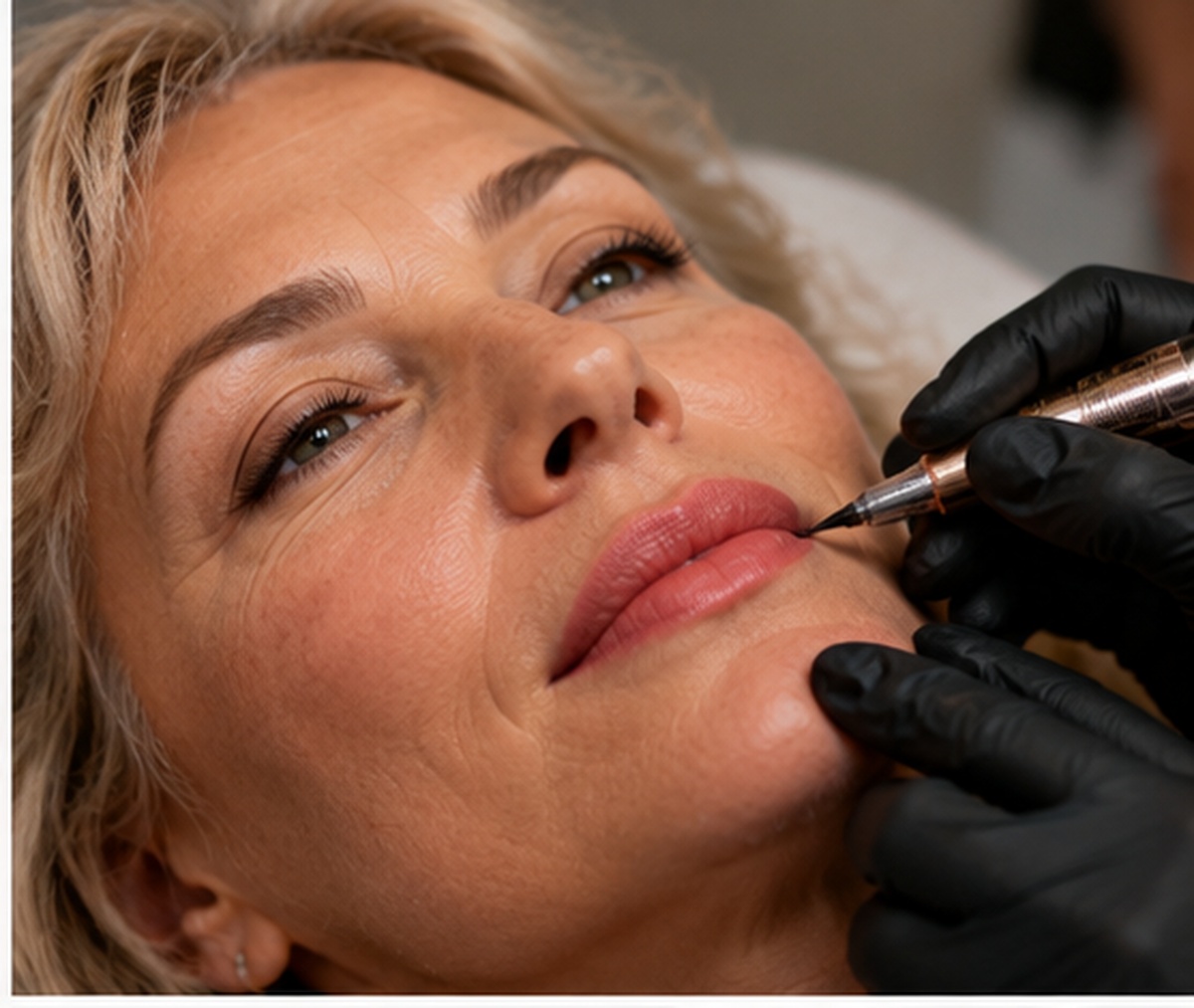
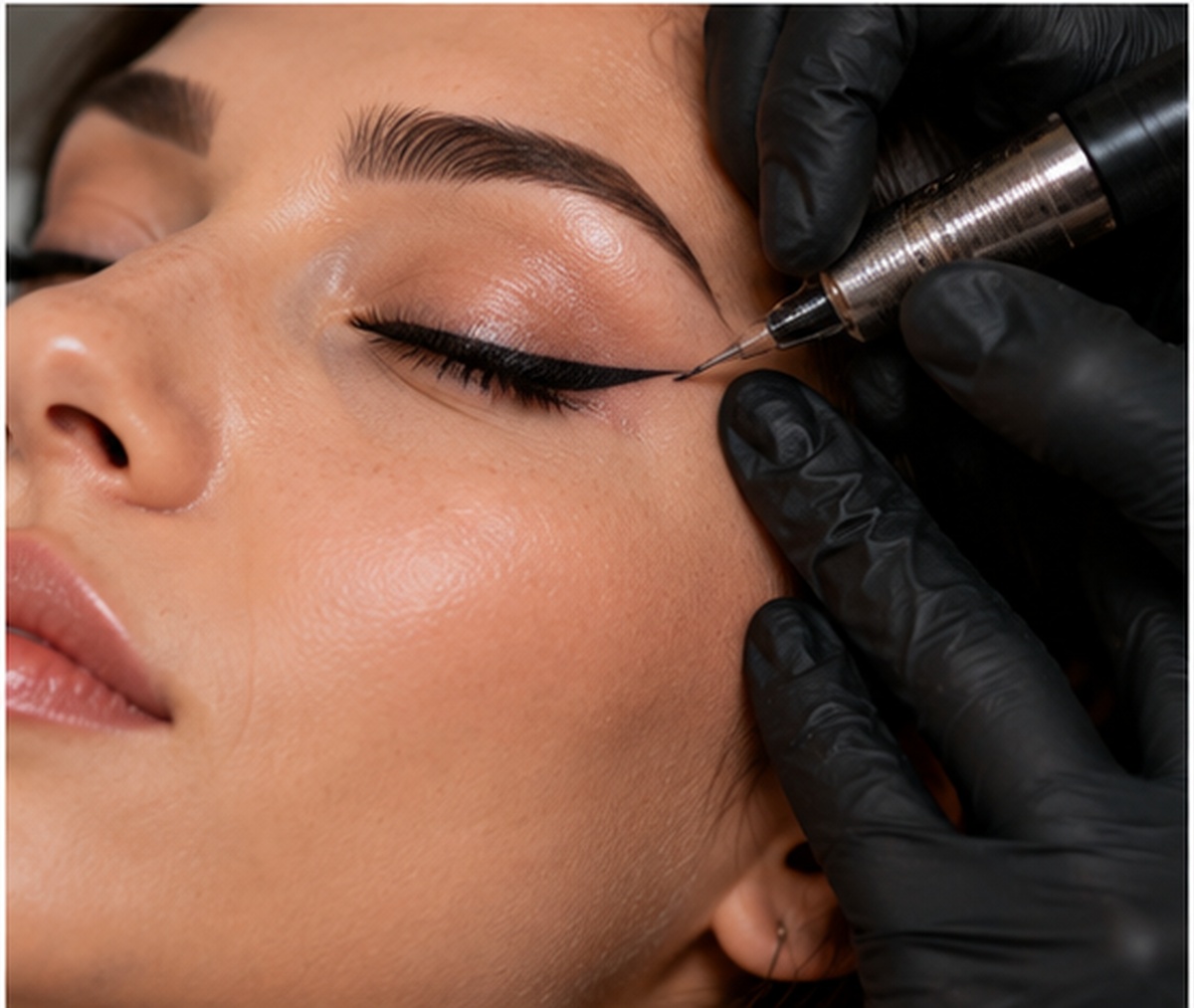
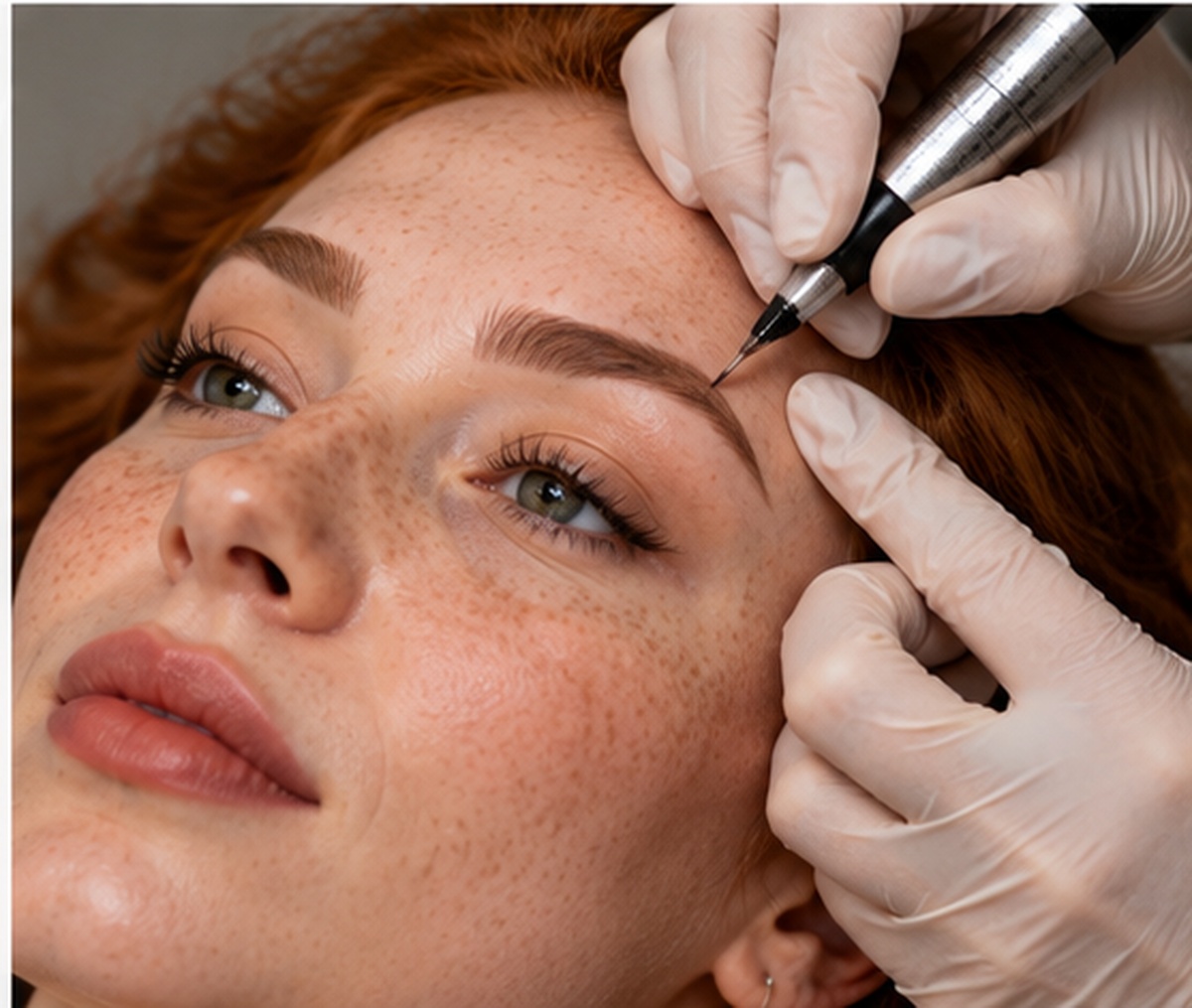
The range of what permanent makeup covers is wider than most people expect. For brows, it includes microblading, which creates fine hair-like strokes, ombré powder brows, which build a soft shaded gradient, nano brows, which use a digital machine for delicate strokes, and combo brows, which blend strokes and shading. For eyes, it includes permanent eyeliner, from a subtle lash-line enhancement to a defined or winged look. For lips, it includes lip blush, a sheer tint that adds colour and definition, and neutralization for naturally dark lips. Each is a distinct service, and each is customized to the individual client at Xtremities in Mississauga.
Permanent Is Not Really Permanent
Cosmetic tattoo pigment is designed to fade gradually over one to three years, which is actually a benefit because it lets the shape and colour be refreshed and adjusted as features and trends change, rather than being locked in forever.
The Design Is Drawn Before Any Pigment
A experienced permanent makeup artist maps and draws the brow, eye, or lip shape on the face first, using its natural proportions, and applies no pigment until the client approves the design, which is why well-done work looks balanced and natural.
Peel Public Health Inspects Every Studio
Mississauga cosmetic tattoo studios are governed by Ontario Regulation 136/18, inspected annually by Peel Public Health, and required to display a health inspection disclosure sign, so choosing a licensed, inspected studio is the key safety decision.
The appeal of permanent makeup comes down to time, consistency, and confidence. It gives back the minutes spent every morning drawing on brows and applying liner, and it holds that look through workouts, swimming, humidity, and long days when traditional makeup would smudge or fade. For someone with sparse brows, unsteady hands, vision that makes fine application hard, or an active lifestyle, permanent makeup is genuinely life-changing rather than only convenient. Many Mississauga clients describe it as the one beauty investment they wish they had made years earlier.
There is also the confidence of symmetry. A trained cosmetic tattooing artist maps the face carefully before any pigment is applied, using the natural proportions of the brows, eyes, and lips to design a result that balances the features. That custom mapping is why well-done PMU looks like it belongs on the face rather than like something added to it. The goal at Xtremities is always a result that looks like the client, just polished and even.
How the Process Works
A cosmetic tattooing appointment begins long before any pigment touches the skin. It starts with a consultation, where the artist discusses the client's goals, assesses their skin and features, and chooses a pigment colits ranged to their tone so it fades true rather than shifting into an undesirable undertone. The shape is mapped and drawn on first, and nothing proceeds until the client approves the design. A topical numbing agent keeps the procedure comfortable, and the pigment is then applied with single-use sterile cartridges, following the technique chosen for that service.
Healing is a process, not an event, and knowing what to expect matters. In the days after a session, the colour looks darker and bolder than the final result, then softens as the skin heals over roughly one to two weeks, with some light flaking along the way. The true colour settles at around four to six weeks, which is why a touch-up appointment is scheduled after healing to perfect the shape and saturation. From there, PMU lasts one to three years before a refresh, depending on skin type, lifestyle, and the service. The artists at Xtremities walk every Mississauga client through aftercare so the result heals beautifully.
Safety Comes First in Mississauga
Because cosmetic tattooing breaks the skin, safety is not optional, and Mississauga holds studios to a high standard. Ontario Regulation 136/18, the Personal Service Settings regulation, governs how cosmetic tattooing is performed, and Peel Public Health inspects local studios annually and requires a health inspection disclosure sign to be displayed. A reputable PMU studio uses single-use sterile needle cartridges, follows infection prevention and control protocols, and works only with pigments that meet Health Canada safety standards. Xtremities Tattoo and Piercing operates fully within these regulations in Mississauga, so clients can focus on the result rather than worrying about the risk.
Choosing a licensed, inspected studio is the single most important decision in getting cosmetic tattooing, because the skill of the artist and the safety of the setting determine both how the work looks and how it heals. A beautiful result from an unsafe setting is not worth the risk, which is why Mississauga's regulatory framework exists and why Xtremities follows it to the letter.
The Services Under the PMU Umbrella
Because cosmetic tattooing covers so many services, it helps a Mississauga client to see the full picture before choosing. Brow services are the most popular, and they include microblading for hair-like strokes, ombré powder brows for soft shading, nano brows for machine-placed strokes, and combo brows that blend the two. Eye services centre on permanent eyeliner, which ranges from a barely-there lash-line enhancement that makes lashes look fuller to a defined or winged liner. Lip services include lip blush, a sheer tint that adds colour and shape, and neutralization for naturally dark lips. Beyond these, PMU techniques extend to beauty marks, and related micropigmentation includes scalp micropigmentation and areola restoration for those who need it. Knowing the range helps a client focus on what will make the most difference for them, and a consultation at Xtremities sorts through the options.
Each of these services is its own art, and a studio that performs the full range has the versatility to recommend what genuinely suits a client rather than fitting everyone into one procedure. That breadth is part of what Mississauga clients value at a full-service studio like Xtremities, where the artists work across brows, eyes, and lips.
Choosing the Right Studio in Mississauga
With cosmetic tattooing, the studio and the artist decide everything, so the choice deserves care. A client in Mississauga should look for a studio that is licensed by the City of Mississauga, compliant with Ontario Regulation 136/18, and inspected by Peel Public Health, with the health disclosure sign displayed at the entrance. Beyond the regulatory basics, look for an artist with a strong portfolio of healed results, not just fresh work, since healed photos show how the pigment settles. Ask about the pigments used, the technique options offered, and the aftercare support provided. A studio that performs the full range of PMU services, works with quality medical-grade pigments, and takes the time to consult and map carefully is one a client can trust. Xtremities Tattoo and Piercing brings all of this to Mississauga, which is why clients across the GTA West choose it for brows, eyes, and lips.
The right studio also makes the experience comfortable and clear, explaining each step, answering questions honestly, and never rushing a client into a decision. Cosmetic tattooing is personal, and a good artist treats it that way, designing a result around the individual rather than applying a template. That client-centred approach is the final piece of what makes PMU worth doing, and doing well.
For anyone in Mississauga who has spent years frustrated with their brows, lashes, or lips, the chance to wake each day with those features already defined is a small daily gift that keeps giving. Done thoughtfully and safely, cosmetic tattooing turns a daily chore into one less thing to think about, and that ease is what clients across the GTA West come to value most once the healing is complete and the result settles into place naturally.
The result, when everything is done right, is quiet confidence: a face that looks rested, even, and ready without any visible sign of effort. That is the promise, and in a licensed Mississauga studio with an experienced artist, it is a promise that holds.
Cosmetic tattooing is one of the few beauty investments that gives time back every single day, and when it is done by a experienced artist in a safe, licensed studio, the result is natural, flattering, and freeing. To explore what PMU could do for you in Mississauga, contact Xtremities Tattoo and Piercing at (905) 897-3503 to book a consultation.
Permanent makeup: before, immediately after, and healed – brow, eyeliner, and lip procedures
Permanent makeup, also known as permanent cosmetics, derma-pigmentation, micro-pigmentation, semi-permanent makeup and cosmetic tattooing,[1] is a cosmetic technique which employs tattoos (permanent pigmentation of the dermis) as a means of producing designs that resemble makeup, such as eye-lining and other permanent enhancing colors to the skin of the face, lips, and eyelids. It is also used to produce artificial eyebrows, particularly in people who have lost them as a consequence of old age, disease, such as alopecia areata, alopecia totalis, chemotherapy, or a genetic disturbance, and to disguise scars and hypopigmentation in the skin such as in vitiligo.[2] It is also used to restore or enhance the breast's areola, such as after breast surgery, or to give an illusion of more hair volume to the scalp.
The most widely documented first use of permanent makeup treatment was done by the famous U.K. tattoo artist Sutherland MacDonald.[3] In 1902, at his parlor, #76 Jermyn Str., London, he "perfected his method of giving a lasting complexion of the utmost delicacy to pale cheeks."[4] The tattooist George Burchett, a major developer of the technique in the 1930s, described in his memoirs how beauty salons tattooed many women without their knowledge, offering it as a "complexion treatment ... of injecting vegetable dyes under the top layer of the skin."[5][6] Permanent makeup became much more commonplace beginning in the 1970s and 1980s, when it was used to address hair and pigment loss due to disease,[7] and now it is considered very normal.[8]
One may opt for permanent makeup for a plethora of reasons. For some, it can replace the daily application of traditional makeup products in favor of a more lasting solution.[9] This is especially useful for older women whose eyesight might not be good enough to apply the makeup[10] or who have degenerative diseases such as Parkinson's which severely limits motor ability.[7] Others may have the procedure to restore color areas that have lost it due to disease. This includes micro pigmentation for people with alopecia and vitiligo, and areola recoloring for breast cancer patients. Permanent makeup is also a common practice in some African cultures, who use certain tattoos to signify status.[8][2]
As with any tattoo, there are cases of undesired results, whether that be from the initial application or degradation over time.[11] Since this is the case, patients should come in with realistic expectations of what the makeup will look like.[10] One factor that heavily influences how the cosmetic tattoo looks is skin tone. This is because the same color may look different on different skin tones. Another factor that affects the appearance of these tattoos is sun exposure and lifestyle, which can fade the tattoos.[12]
As with any occupation, permanent makeup technicians need to complete required training in order to practice, although these requirements vary from state to state. The average technician completes an apprenticeship around nine months in length; however, certification programs vary from a single day to four years.[1][10] Once they complete their certification, the technician must submit various documents, including proof of certification, apprenticeship, and insurance, before practicing.[10]
Permanent cosmetics technicians are urged to comply with "standard precautions" and a uniform code of safe practice while performing cosmetic tattooing procedures.[13][14] This includes assessing whether the patient should receive permanent makeup at all and informing adequately informing them about the risks associated with the practice.[10]
In a study done regarding the possible complications of permanent makeup, the most common side effects were itching, redness, and the occasional swelling, all of which tended to heal after a few days.[15] While uncommon, permanent makeup can potentially come with more serious complications, including allergic reactions to the pigments, infection, granulomas, keloids, bleeding, crusting, loss of eyelashes, or general damage to the tattooed area.[11][16] Although properly trained technicians will maintain sterile conditions during application,[17] the use of unsterilized tattooing instruments may also infect the patient with serious diseases such as HIV and hepatitis.
On very rare occasions, people with permanent makeup have reported swelling or burning in the affected areas when they underwent magnetic resonance imaging (MRI).[18] Nevertheless, most such cases indicated that poor quality pigments, pigments adulterated with heavy metals, and pigments with diamagnetic properties may have been the causative factors.[19][20] Permanent makeup can also reportedly affect the quality of an MRI image, however, complications can be avoided as long as medical professionals are previously informed.[11]
In the United States, the inks used in permanent makeup are subject to approval as cosmetics by the Food and Drug Administration. While certain pigments in tattoos lack FDA approval for use in permanent cosmetics, competing public health priorities and lack of safety problems have consequently caused loose regulations around what color pigments tattoo inks can contain. Thus, there is little regulation on the type of inks used, with some pigments not approved for skin contact or refined only to an industrial-grade level, i.e. printers' ink, automobile paint, etc..[21]
If a tattooist lacks proper training, patients run the risk of the artist injecting the ink too deep into their skin, causing the pigment to migrate into the surrounding tissue. As a result, the makeup may appear blurry and lack definition for thin line work.[11] Due to their lymphatic distribution, older patients may have an increased risk for pigment migration following permanent eyelash makeup,[22] although migration is generally avoidable by not over-working swollen tissue. Removing migrated pigment is a difficult and complicated process, so it must be avoided if possible.[23]
As with tattoos, permanent makeup can be difficult, or even impossible, to remove.[12] Common techniques used for this are laser tattoo removal, dermabrasion (physical or chemical exfoliation), and surgical removal.[23] Different types of chemical removals have also become a popular option for permanent makeup removal.
Permanent makeup typically lasts one to three years before a refresh, depending on skin type, lifestyle, and the service. The pigment fades gradually rather than disappearing suddenly, which lets the look be adjusted over time. A touch-up after initial healing perfects the result, and periodic refreshes keep it looking its best.
Is permanent makeup safe in Mississauga?
Yes, at a licensed studio. Mississauga studios must comply with Ontario Regulation 136/18, pass annual Peel Public Health inspections, display a health disclosure sign, use single-use sterile cartridges, and work with Health Canada-compliant pigments. Xtremities Tattoo and Piercing operates fully within these standards.