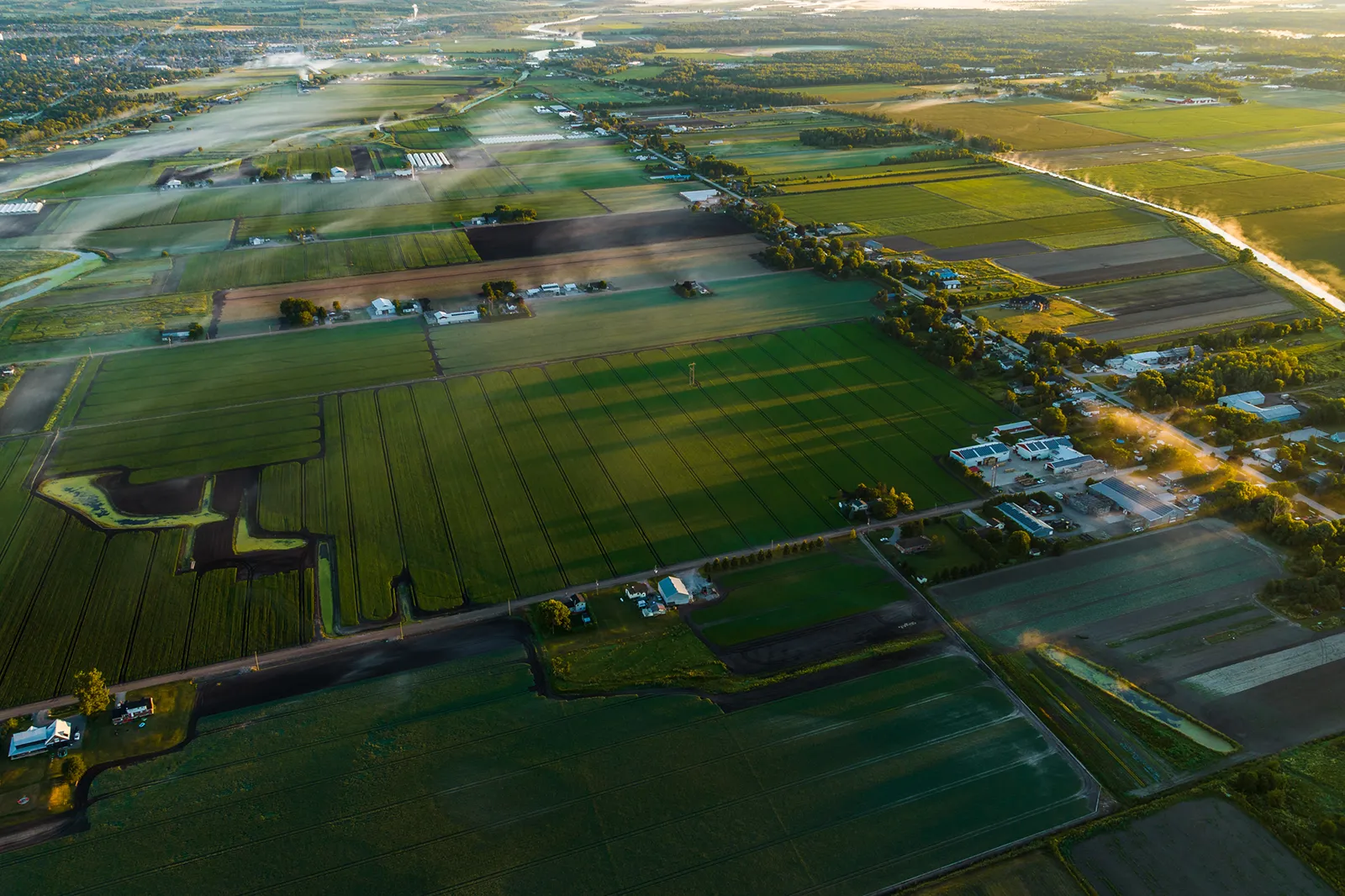
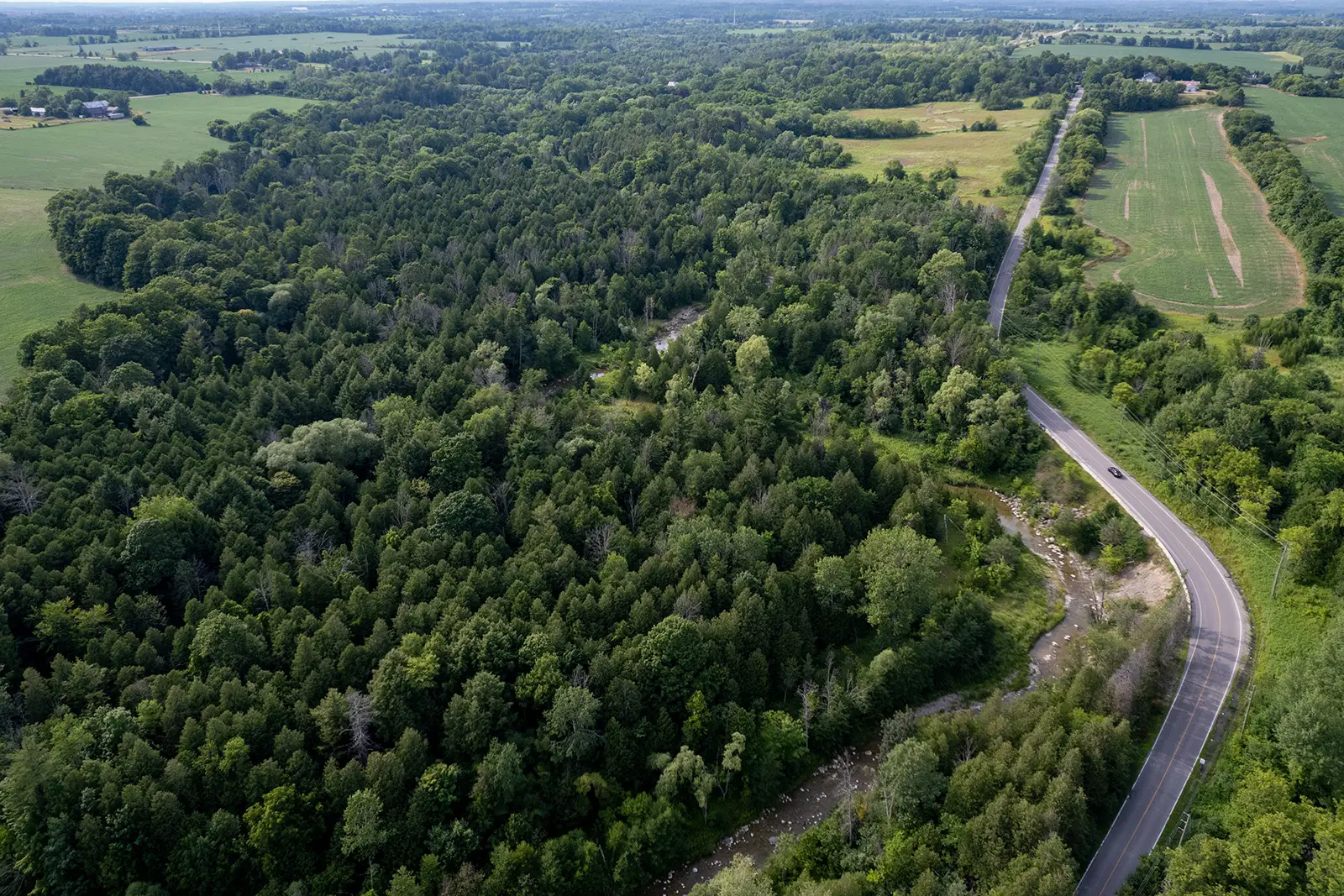
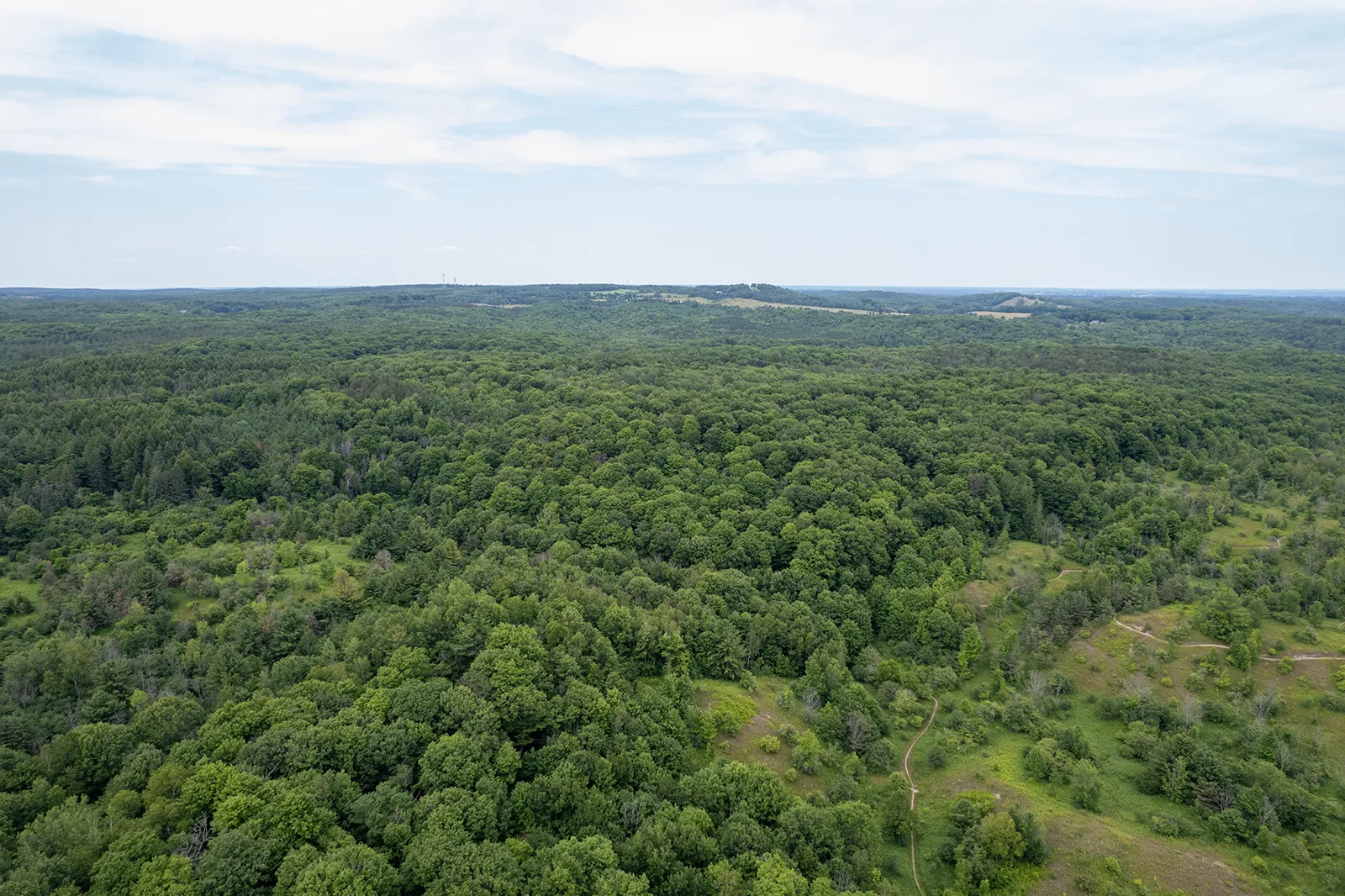

The Greenbelt Foundation focused efforts on conserving the Greenbelt's diverse ecosystems, ensuring the protection of vital natural landscapes that provide fresh water, clean air, and fertile soil.
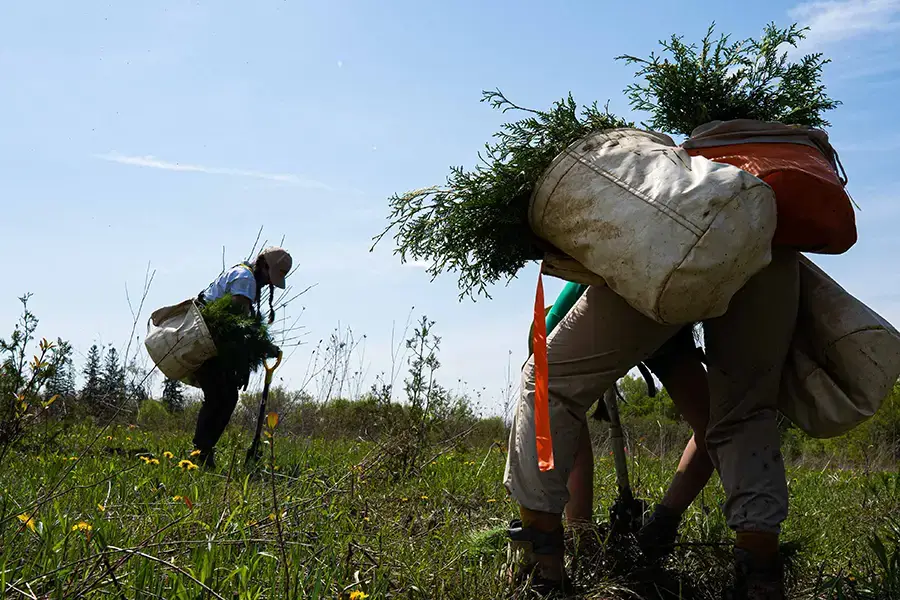
Our efforts increased native trees and plants and prioritized sustainable water management to maintain healthy watersheds and wetlands, which are crucial for biodiversity and building strong communities. We emphasized the importance of ecological connectivity, linking habitats to support wildlife and enhance the resilience of our environment.
Additionally, we promoted growth in the Greenbelt through initiatives on soil health, natural cover and restoration, agri-food, nature-based solutions, recreation and tourism, and education and awareness. By collaborating with Indigenous partners, we integrated traditional knowledge and stewardship practices into our conservation strategies, fostering a holistic and inclusive approach. Together, we worked to safeguard the Greenbelt's natural heritage, promote social equity, and secure a sustainable future for all.
Land
Acknowledgement
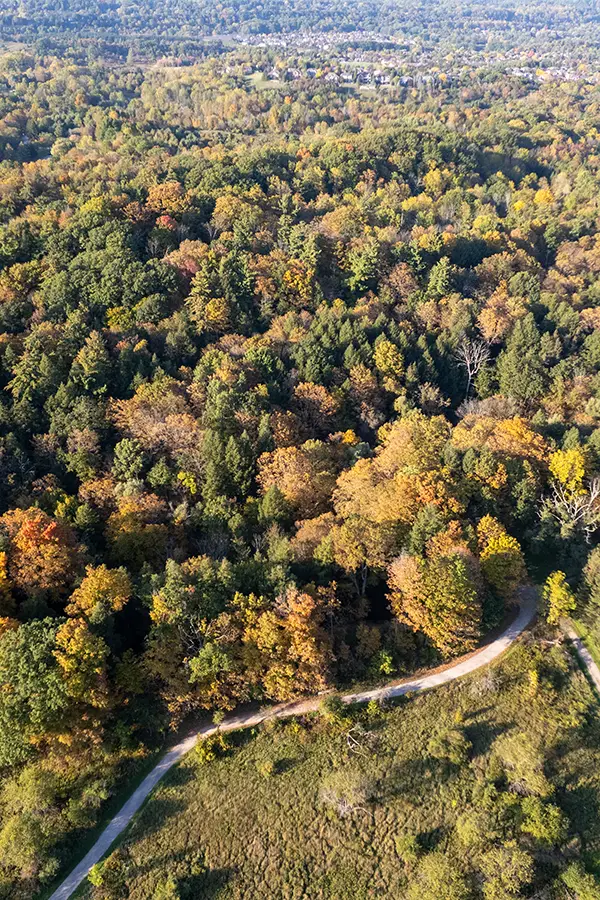
The Greenbelt Foundation acknowledges that the land we meet on and strive to protect is the traditional territory of the Anishinaabe, Haudenosaunee, Huron-Wendat, and is now home to many other diverse First Nations, Métis, and Inuit Peoples.
The area we now call the Greenbelt consists of treaty lands. Such Treaties of Canada include the Niagara Purchase, between the Lakes Purchase and Collins Purchase, Head of the Lake Treaty, Ajetance Treaty, Toronto Purchase, Gunshot Treaty, Treaty Number 20, Saugeen Treaty, Treaty Number 82, Saugeen Peninsula Treaty, and Lake Simcoe Nottawasaga Treaty. It is important that we learn about the history and continued presence of these treaties because we are all treaty people.
The lakes, rivers, and wetlands, as well as forests, ravines, and healthy farmlands in the Greenbelt have been stewarded and protected by the First Peoples since time immemorial. We are grateful to the First Peoples for their care of the land on Turtle Island, which many of us have come to call home. We respect and are inspired by the deep connection of kinship that Indigenous Peoples have with the land.
We acknowledge and condemn events such as Indian Residential Schools, Indian Day Schools, the Sixties Scoop, Missing and Murdered Indigenous Women, and many other violent acts committed since European settlers arrived on this land. The vibrant way of life of Indigenous Peoples and their connection to the land has been suppressed due to attempted genocide, colonialization, and assimilation. We acknowledge the truth of these events, continuing effects, and the enduring rights of Indigenous Peoples.
We recognize that the Greenbelt is based on a land management plan developed by settlers, and we as a Foundation have a responsibility to ensure the work we do reflects the continued efforts and rights of the First Peoples of this land. As a Foundation, we will continue to support projects that prioritize reconciliation, such as projects that increase awareness of the presence of Indigenous Peoples and their territories; projects that build meaningful relations with Indigenous Peoples to conserve and restore nature in the region; projects that we collaborate with Indigenous Peoples and Communities to improve communications with municipalities in land-use planning. We will continue to look for ways to align our mandate with the Calls to Action from the Truth and Reconciliation Commission.
As we continue to work towards our vision of a protected, prosperous Greenbelt for all, we will seek opportunities to listen to and learn from Indigenous leaders and elders. We will support Indigenous-led initiatives that advance education, understanding, and reconciliation. We will further educate ourselves on Indigenous Knowledge Systems that can inform and support our mandate to sustain the air, lands, and waterways in the Greenbelt.
A Message
From Our Chair

Mary Lou Tanner
Chair, Board of Directors, Greenbelt Foundation
Our goal is a resilient and flourishing Greenbelt.
This past year, the Foundation focused on protecting, maintaining, and improving the Greenbelt’s ecological systems and biodiversity. By increasing native trees and plants, restoring shorelines and wetlands, cultivating healthy soils and sustainable agricultural practices, and enhancing habitats for species at risk, we have strengthened the Greenbelt’s natural areas and cover. These efforts are crucial for maintaining the health of our woodlands, grasslands, and river valleys, ensuring that our region continues to thrive.
We have also worked to improve public awareness and provide more opportunities for people to experience the Greenbelt through outdoor recreation, access to nature, and sustainable tourism activities. Our initiatives have helped maintain and increase green infrastructure and climate resilience in both the Greenbelt and surrounding communities. By fostering a deeper understanding of the Greenbelt’s value, we are ensuring its benefits are enjoyed by all Ontarians.
On behalf of the Board of Directors and our staff, I extend heartfelt gratitude to our donors, funders, and the Government of Ontario for their ongoing support. Together, we will continue to steward and invest in the Greenbelt, ensuring its lasting benefits for all.
Sincerely,
Mary Lou Tanner
Chair, Greenbelt Foundation Board of Directors
A Message
From Our CEO

Edward McDonnell
CEO, Greenbelt Foundation
Now more than ever, as Ontario continues to grow, we need to ensure the Greenbelt is protected and prosperous.
This year, the Greenbelt Foundation proudly led numerous initiatives to steward Ontario’s Greenbelt, ensuring its sustainability for generations to come. We launched our soil health program across the Greater Golden Horseshoe that empowered farmers with reliable soil tests, promoting beneficial management practices to enhance farm productivity and ecological sustainability. This initiative has empowered farmers with reliable soil health tests and benchmarks, promoting beneficial management practices to enhance farm productivity and ecological sustainability.
We also made significant strides in education and community engagement. Collaborating with Green Communities Canada and Forest Ontario we supported the planting of trees Ontario, helping to enhance natural cover and ecological restoration, play a vital role in building climate resilience. Additionally, our commitment to natural asset management saw us aiding municipalities in utilizing natural infrastructure for flood mitigation, heat reduction, and extreme weather response.
Now more than ever, as Ontario continues to grow, we need to ensure the Greenbelt is protected and prosperous. The Greenbelt acts as part of a positive vision for land use, addressing the rising challenges of climate change and extreme weather events. Notably, we funded crucial restoration work in the Ganaraska Forest following the devastating derecho windstorm in May 2022, ensuring restored public access and forest recovery.
Our accomplishments this year reflect the collective effort and dedication of our partners, stakeholders, donors, and funders. Your support is vital to our mission of maintaining a thriving, sustainable Greenbelt. Thank you for your continued commitment to our work, and we look forward to furthering our impact across Ontario communities.
Sincerely,
Edward McDonnell
CEO, Greenbelt Foundation

$9.6 Billion
Contributed annually in economic activity

177,700
Jobs (full-time or equivalent)

$3.2 Billion
Contributed annually in ecosystem services

9 out of 10
Ontarians in favour of the Greenbelt
Spotlight
Soil Health Program
The Greenbelt Foundation embarked on a 4-year project to establish reliable soil health tests across the Greenbelt, transforming soil health from a theoretical concept into a manageable, measurable issue for farmers.
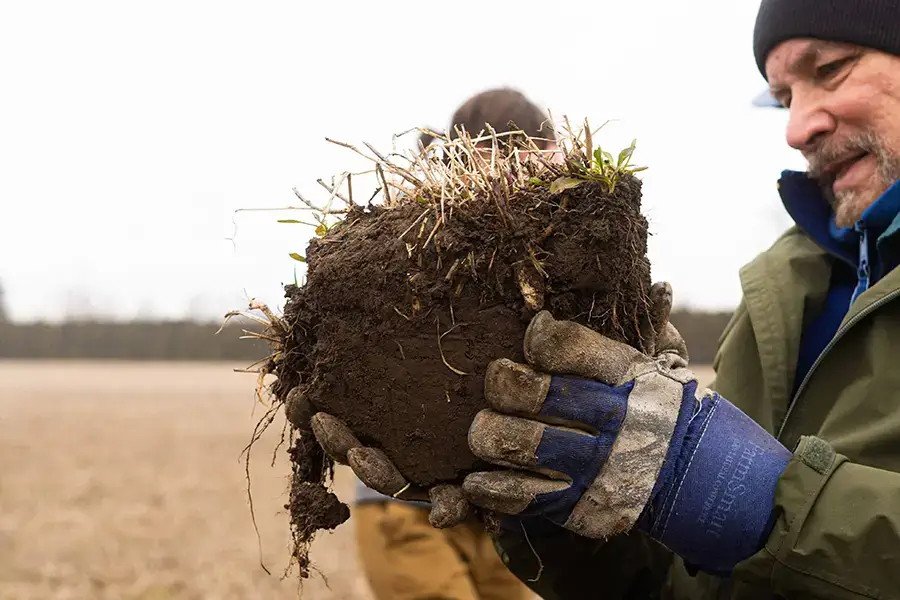
The project aims to motivate agricultural producers to adopt ecologically-based beneficial management practices (BMPs), thereby improving soil health. To support this, an extensive outreach and education program has been implemented, offering training and one-on-one support to help farmers and their advisors utilize soil health assessments effectively. This initiative is designed to increase the number of agricultural producers using BMPs by providing them with the tools and knowledge necessary to evaluate and monitor their soil health.
Significant progress has been made across several key activities. We hosted 226 stakeholder meetings to design and implement the program, forming a diverse consortium of partners, including the Soil Health Institute. A comprehensive sampling plan was developed, leading to the stratification of soil health groups and the establishment of soil carbon benchmarks. We collaborated with institutions like Soils at Guelph and OMAFRA ensured data interoperability, and we established protocols for data management and analysis. Outreach efforts were bolstered through partnerships and various communication strategies, enhancing farmer engagement and BMP education. These achievements culminated in presenting regional soil health benchmarks at the annual Soil Science Society of America meeting, demonstrating the project's substantial impact on soil health management within the Greenbelt.
Natural Cover
& Restoration
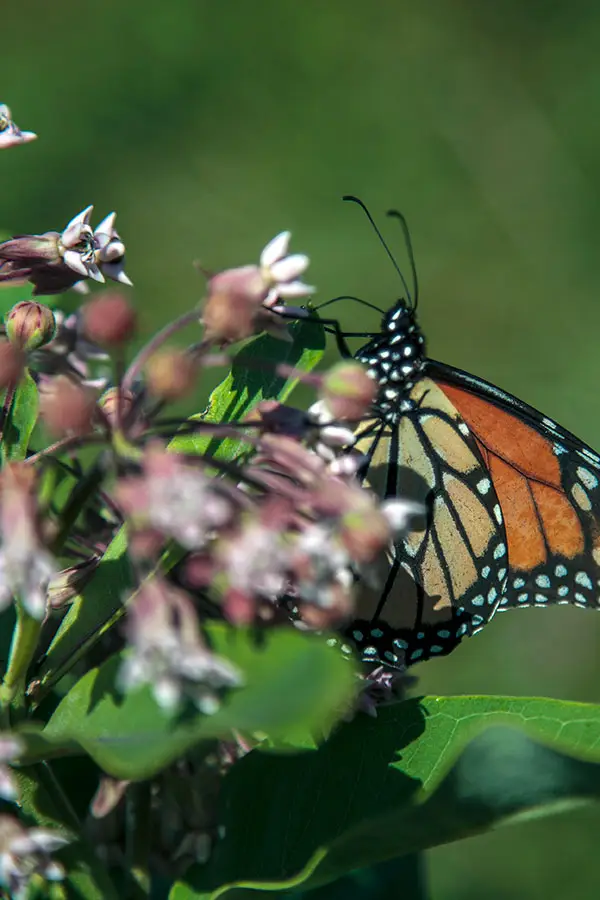
The Greenbelt Foundation significantly advanced natural cover and restoration efforts in Ontario's Greenbelt. Collaborating with Forests Ontario and local partners, we completed a multi-year program to plant 500,000 trees in the Greenbelt across 326 sites, covering 250 hectares contributing to our larger tree and natural cover goals.
The four project types were carried out including 235 afforestation sites, 22 restoration sites, 14 riparian planting sites and 55 windbreak sites. Additionally, we worked with Green Communities Canada and planted 2,000 native plants in mini forests, engaging 250 volunteers.
The Bruce Peninsula Biosphere Association restored the Eastnor wetland, enhancing biodiversity and agricultural sustainability. The Carolinian Canada Coalition developed a Southern Ontario Seed Strategy to boost native plant supply, supporting climate resilience and biodiversity. Ontario Nature assessed municipal and conservation lands, contributing 6,712 hectares to Canada's protected areas target.
These initiatives, focused on increasing natural cover and ecological restoration, play a vital role in building climate resilience, enhancing biodiversity, and supporting sustainable agricultural practices within the Greenbelt. The projects not only restore critical habitats but also engage and educate local communities, fostering a collective effort towards environmental stewardship and sustainable land use in Ontario.
Agriculture
in the Greenbelt
The Greenbelt’s agricultural system is the cornerstone of Ontario's rural economy and provides residents of the Greater Golden Horseshoe with a reliable and diverse source of local food and drink.
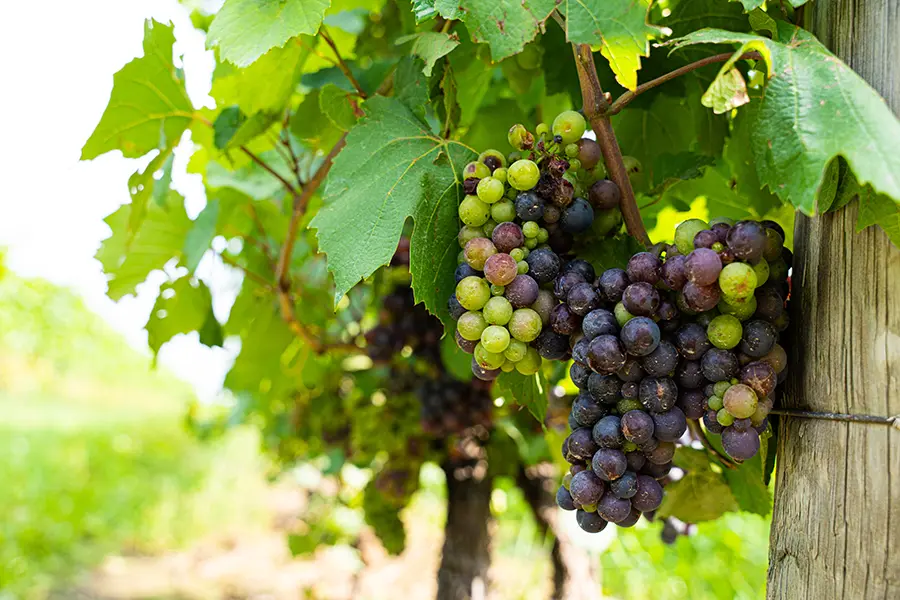
The Greenbelt Foundation partnered with several organizations to bolster agricultural sustainability. The Innovative Farmers Association of Ontario enhanced soil health by recruiting farmers for soil testing and best practices, improving farm productivity and environmental health. Country Heritage Park provided resources and mentorship for marginalized groups to grow local food, addressing food insecurity and fostering community-based agriculture. The Ontario Tender Fruit Growers project planted 122,000 fruit trees and 10,244 vines, increasing crop yields and economic activity. These collaborative efforts significantly advanced ecological health and agricultural resilience in Ontario’s Greenbelt.
One of the Foundation’s key social media campaigns annually highlights our Women in Agriculture. The campaign increased education and awareness of female-identifying farmers and leaders in agriculture across the Greenbelt through 2 video profiles.
Women featured:
Cheyenne Sundance
Val Steinmann
Natural
Solutions
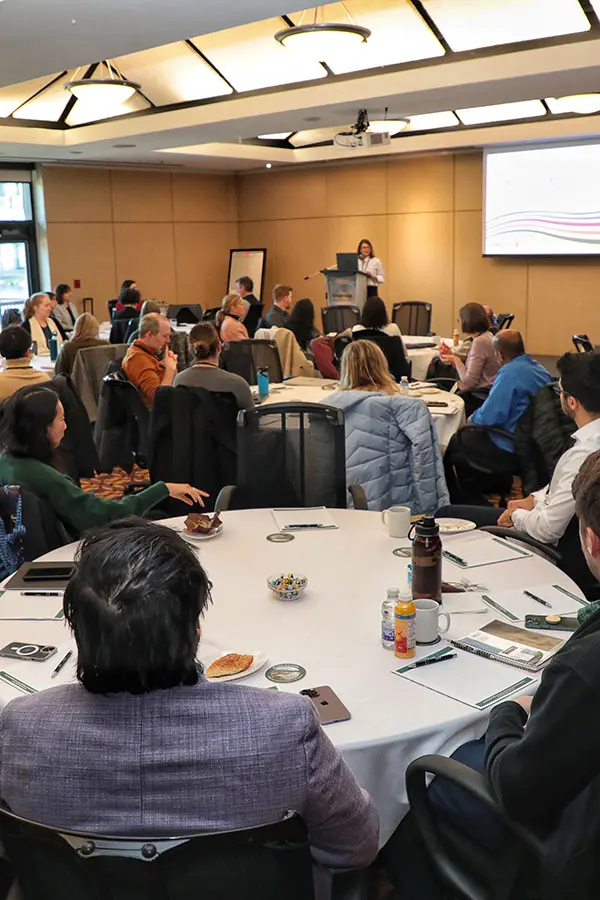
The Foundation has an ongoing commitment to the preservation and sustainable management of natural systems and features within the Greenbelt through our Natural Asset Management (NAM) Program. This past year we focused extensively on water and heat along with continuing to build a NAM community of practice.
Water is a critical component of natural asset management within the Ontario Greenbelt. Proper management of water resources ensures the health of watersheds and wetlands, which are essential for maintaining biodiversity and ecological resilience.
Sustainable water practices help mitigate the impacts of climate change, reduce flood risks, and ensure a reliable supply of clean water for communities and wildlife.
As part of our NAM Program, a partnership with Conservation Halton Foundation made significant strides in advancing water-based natural solutions, through collaboration with the Natural Asset Initiative. We conducted extensive research and workshops focused on identifying barriers and developing best practices for municipal processes in the Grindstone Creek Watershed. This effort has resulted in the production of a comprehensive report highlighting the benefits of watershed-scale strategies for natural asset management, emphasizing the importance of collaboration for enhancing municipal service delivery and managing natural assets effectively.
Furthermore, the Foundation published a report titled “Health-Informed Heat Mitigation Approach: Case Study of the Regional Municipality of York. The study showcases the benefits of natural cover in reducing heat-related health risks and enhancing urban resilience, offering actionable insights for municipalities to integrate natural solutions into their urban planning strategies.
A forum, "Natural Systems and Municipal Services: Advancing Collaboration and Good Practices," was also held in partnership with the Municipal Finance Officers’ Association and the Natural Assets Initiative, underscored the importance of collaborative efforts in protecting and managing natural infrastructure. With diverse stakeholders from county, regional, and lower-tier municipalities, conservation authorities, and non-profit organizations, we discussed key objectives such as developing the Natural Assets Initiative's Good Practice Guide and integrating climate considerations into strategic plans. The forum's success in fostering constructive dialogue and proposing actionable insights demonstrates our ongoing commitment to enhancing collaboration and promoting sustainable natural asset management across the Greenbelt.
Recreation
& Tourism
The Greenbelt Foundation supported several key initiatives to enhance recreation and tourism within the Greenbelt. One notable project was the Niagara Peninsula's bid to become a UNESCO Global Geopark.
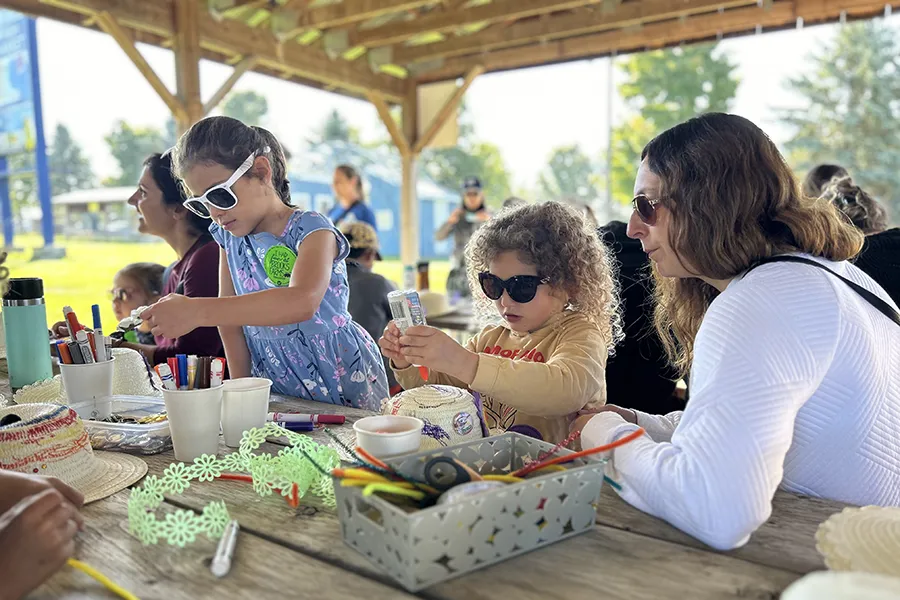
This designation process, led by the Niagara Peninsula Aspiring Global Geopark (NPAGG), highlighted the region's diverse flora, fauna, geology, and cultural heritage to promote sustainable and educational tourism. The creation of the Niagara Geopark Trail Network and a robust marketing program increased visits to the Greenbelt.
Additionally, NPAGG engaged in extensive community outreach, securing endorsements from Indigenous groups and local stakeholders, which strengthened partnerships and supported regional economic development.
In the Ganaraska Forest, the Foundation funded trail enhancements, including the installation of trailhead signs to improve visitor experience. Following a severe storm in May 2022, significant efforts were made to restore damaged trails, ensuring the forest remained accessible for recreation and tourism.
Similarly, the Waterfront Regeneration Trust (WRT) promoted the 1,300 km Greenbelt Route-Lake Ontario Waterfront Network, enhancing wayfinding infrastructure and supporting local businesses through cycle tourism. These initiatives attracted a record number of cyclists, bolstered the rural economy, and reinforced the Greenbelt as a premier destination for outdoor activities and sustainable tourism.
Greenbelt Education
& Awareness
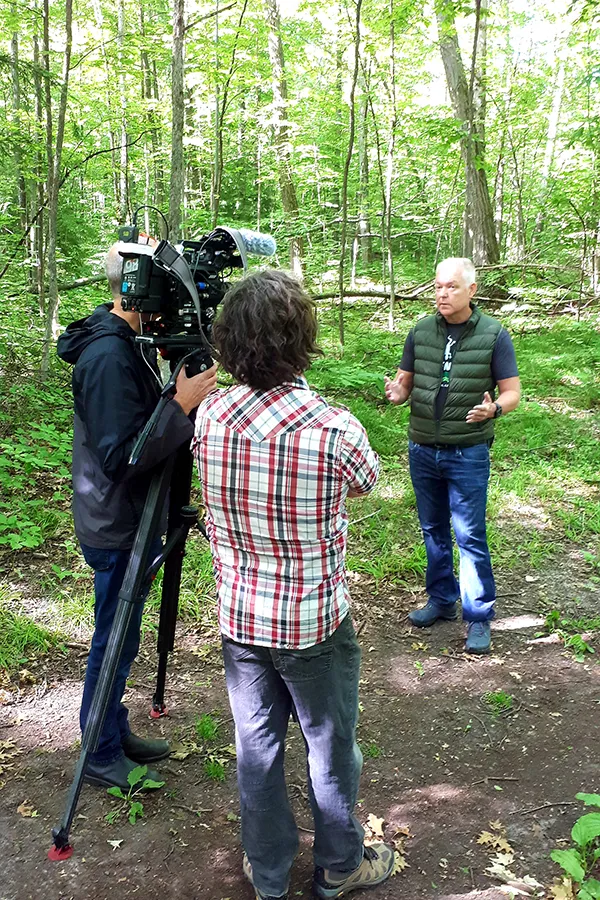
The Greenbelt Foundation supported impactful educational initiatives, including Earth Rangers' project, "Education and Action in the Greenbelt: Creating the Next Generation of Conservationists in Ontario," and Plenty Canada's "Nbwaakaawining Binjibaamgad Gkendmaawziwin Wisdom from Knowledge."
We partnered with Earth Rangers to engage with over 88,000 students through school assemblies and hands-on activities like tree planting and habitat creation, surpassing their participation goals and fostering youth stewardship of the Greenbelt.
Meanwhile, we supported Plenty Canada to highlight the Greenbelt's significance as an Indigenous cultural landscape by synthesizing vegetation survey results from 23 culturally significant sites into comprehensive resources like the "Greenbelt Indigenous Botanical Survey" and "Greenbelt Indigenous Botanical Field Guide."
These projects collectively enhanced environmental education, strengthened community connections, and promoted the integration of Indigenous knowledge systems in conservation efforts.
The Foundation also works closely with students completing research projects within the urban planning and environmental sector. Students from the University of Waterloo's School of Planning identified barriers and opportunities for using natural asset infrastructure by local governments in Ontario, with their findings validated in a workshop with 17 representatives and informing further studies by Watson & Associates Limited. Concurrently, Western University students evaluated natural asset management stages in Greenbelt municipalities and provided recommendations for better integration into asset management plans, aiding the Natural Asset Management Program in tracking and improving this process.
Our Partners
& Donors

The Foundation is thankful for the government’s ongoing for funding and program support, through the Ministry of Environment, Conservation and Parks. We look forward to continuing work collaboratively across key program areas to strengthen Ontario’s climate resiliency and utilize the Greenbelt as an enabler for successful growth.
We are thrilled to acknowledge the leadership support of the Weston Family Foundation for our project “Farmers and Soil Health: Motivating Change with Locally Relevant Soil Assessment”. Our 4-year partnership (2023-2026) to develop a method for evaluating and monitoring soil health and an engagement strategy to advance the participation of farmers in the adoption of Beneficial Management Practices (BMPs) to improve soil function.
The project is part of the Weston Family Soil Health Initiative, which seeks to expand the adoption of ecologically-based beneficial management practices that increase soil organic matter in order to improve biodiversity and resiliency on agricultural lands across Canada

We are grateful for RBC Foundation’s Leadership support through their Tech for Nature Program to help our Farmers and Soil Health: Motivating Change with Locally Relevant Soil Assessment program.

Thank you to The Echo Foundation for your ongoing leadership support for our Natural Asset Management Project.
The Greenbelt Foundation's achievements would not be possible without the ongoing support of its funding partners and dedicated individual donors.
We thank all of you for your support and commitment!
Our Funders










Financials
2023-2024
In 2023–2024, the Greenbelt Foundation invested in a range of key partnerships, educational initiatives, research and policy work, and community programs.
Year ended March 31, 2024
Program Activities
Supporting Activities
Thank You
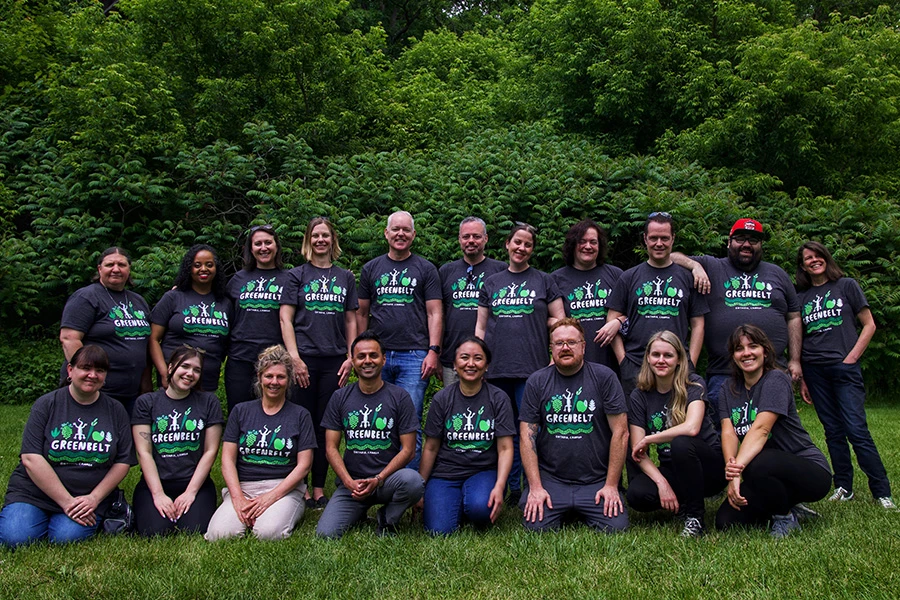
The Greenbelt Foundation is made up of a vibrant team of program leaders, research and policy experts, development and communications advisors, and much more.
We come together with varied expertise to support a unified vision of keeping the Greenbelt a healthy, resilient, and productive working landscape for Ontario—and one of Canada’s best resources in addressing climate change. We would not be able to achieve any of our work without the dedicated support of our funders, partners, and community members like you.